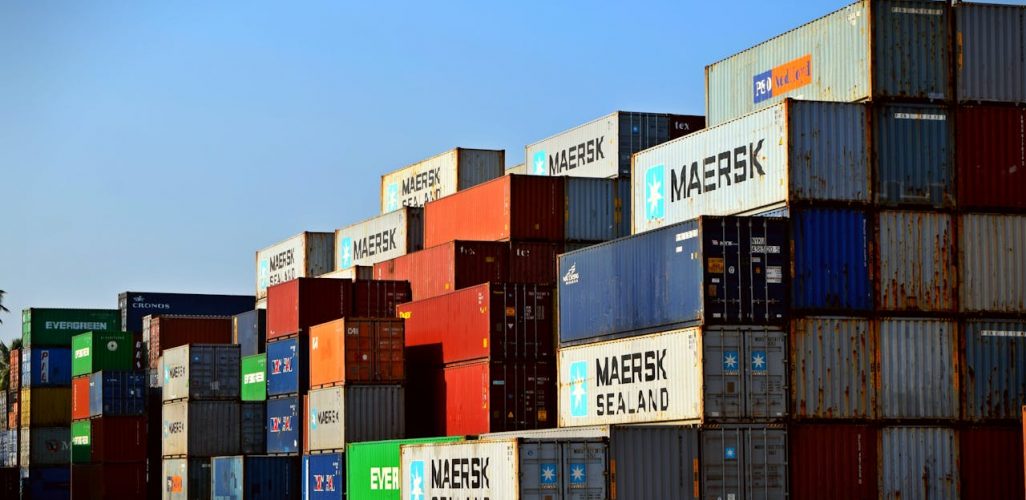
The world is much more connected than ever. With so many trade agreements between countries and advanced logistics technology, moving goods from one point to another has never been easier. Products worth trillions of dollars reach different continents daily, and online trading just makes these transactions simpler.
One of the biggest drivers of international logistics development is enhanced visibility. Whether we’re talking about Hamburg, New York, or Sydney freight forwarders, companies now use digital software to streamline supply chain management. With the right tools, companies and clients can track shipment statuses, addressing bottlenecks in real time.
Internet of Things, in particular, is seen as a real game-changer for all stakeholders. You can use sensors, GPS, and other technologies to monitor each vehicle in your fleet and ensure packages arrive at their destinations on time. Through proactive, analytics-driven solutions, we can optimize routes and eliminate traditional logistics errors.
Pillars of IoT Freight Tracking
As mentioned, transportation businesses now introduce various communication devices and sensors into their vehicles and immovable facilities. Every IoT device collects data from the Internet in real time and communicates with other devices, continuously updating as changes occur. That way, you can track the shipment’s location and condition from your home.
The four main technologies behind IoT freight tracking are as follows:
-
GPS Trackers
GPS devices give you accurate geolocation data for your shipments. This allows managers to address potential bottlenecks, hastening delivery and improving client experience. GPS trackers are especially valuable for optimizing vehicle routes to avoid bad weather, traffic, and roadwork. Proactive decision-making becomes more useful for complex supply chains.
-
Environmental Sensors
These sensors are responsible for tracking humidity, shock, temperature, and vibration, making them essential technology for sensitive cargo. For example, companies commonly use sensors in vehicles that deliver food, pharmaceuticals, and electronics, ensuring that the products reach their destination intact. The great thing about sensors is that they send alerts when parameters exceed optimal levels, enabling corrective action.
-
Telematics Technology
Telematics systems monitor vehicle performance, fuel consumption, and driver efficiency, enabling managers to improve daily operations. For example, the person in charge can optimize routing, assess drivers’ performance, and schedule vehicle maintenance. Through telematics, companies are able to save a lot of money and remain competitive in an increasingly competitive market.
-
Cloud Platforms
Cloud technology ties everything together. These platforms work as central data repositories for managers, clients, and other stakeholders. Within a dashboard, you can access analytics and collaboration tools, enabling you to make quick decisions and coordinate with other participants. Cloud platforms allow unparalleled scaling, which is vital for large transportation businesses.
5 Benefits of IoT Freight Monitoring
The Internet of Things does more for your company than monitor your fleet. The technology has completely changed how we approach logistics operations, making our supply chains more responsive. Besides boosting efficiency, businesses benefit from enhanced risk management, increased visibility, better customer experience and asset management.
Improved Visibility
Similar to any other industry, clients hiring logistics companies are looking for full transparency. Real-time updates provide just that. They offer a 360-degree view of shipment, from the starting point to its final destination. A client can determine the state and location of a package, optimizing routing and ensuring smoother coordination between different employees and partners.
Risk Management
A great thing about IoT sensors is that they detect any movement around vehicles and packages. For example, if an unauthorized person is tampering with or trying to steal the package, the person in charge will get an alert notification. Similarly, IoT sensors measure changes in temperature, vibration, and other environmental factors. By reacting quickly to potential issues, companies can ensure safe delivery.
Operational Efficiency
Accessing data from the internet allows drivers to optimize their routes by analyzing weather and traffic conditions. Furthermore, the technology can track fuel consumption and vehicle performance, ensuring that a transportation company squeezes as much value as possible from its assets. The technology can also be used in warehouses to track incoming and outgoing packages.
Predictive Maintenence
Many companies nowadays rely on AI to schedule equipment maintenance. Whether we’re talking about vehicles, company hardware, or warehouse equipment, maintenance software proves to be invaluable. For example, vehicle sensors are commonly used to measure tire pressure, fuel consumption, and engine health, allowing managers to schedule maintenance neither too early nor too late.
Customer Satisfaction
Modern consumers don’t want to work with companies that don’t offer full transparency. IoT tracking shows clients the position and state of their package. This is especially valuable for commercial users who need to coordinate delivery with other stakeholders. Providing periodic status notifications and more accurate delivery estimates increases trust and enhances service quality between the two sides.
The Biggest IoT Challenges
Although many logistics companies perceive IoT as a transformative solution that will change the industry, that doesn’t mean that the technology doesn’t have its flaws. Here are a few issues that companies must address to get the most out of these products:
- Interoperability Issues: IoT devices rely on numerous sensors and other hardware to provide maximum results. Unfortunately, many of these systems might use different technologies or belong to different generations. As such, companies must improve standardization to avoid potential interoperability issues.
- Cybersecurity Risks: Many IoT devices don’t receive regular cybersecurity software updates. As such, they are much more vulnerable to external hacking risks than other systems.
- Implementation Expenses: Introducing all this equipment can be quite costly, especially if you’re running a major endeavor. Deploying sensors, training staff, and upgrading infrastructure are just a few things you must consider when making a tech transition.
- Scaling: With so many devices in a network, it is vital to implement an effective scaling mechanism. You need a comprehensive cloud solution that can manage all incoming data.
Future of IoT Freight Tracking
We’ve just scratched the surface of IoT freight tracking solutions. With its enormous potential, this might be the biggest transformative technology in the history of logistics.